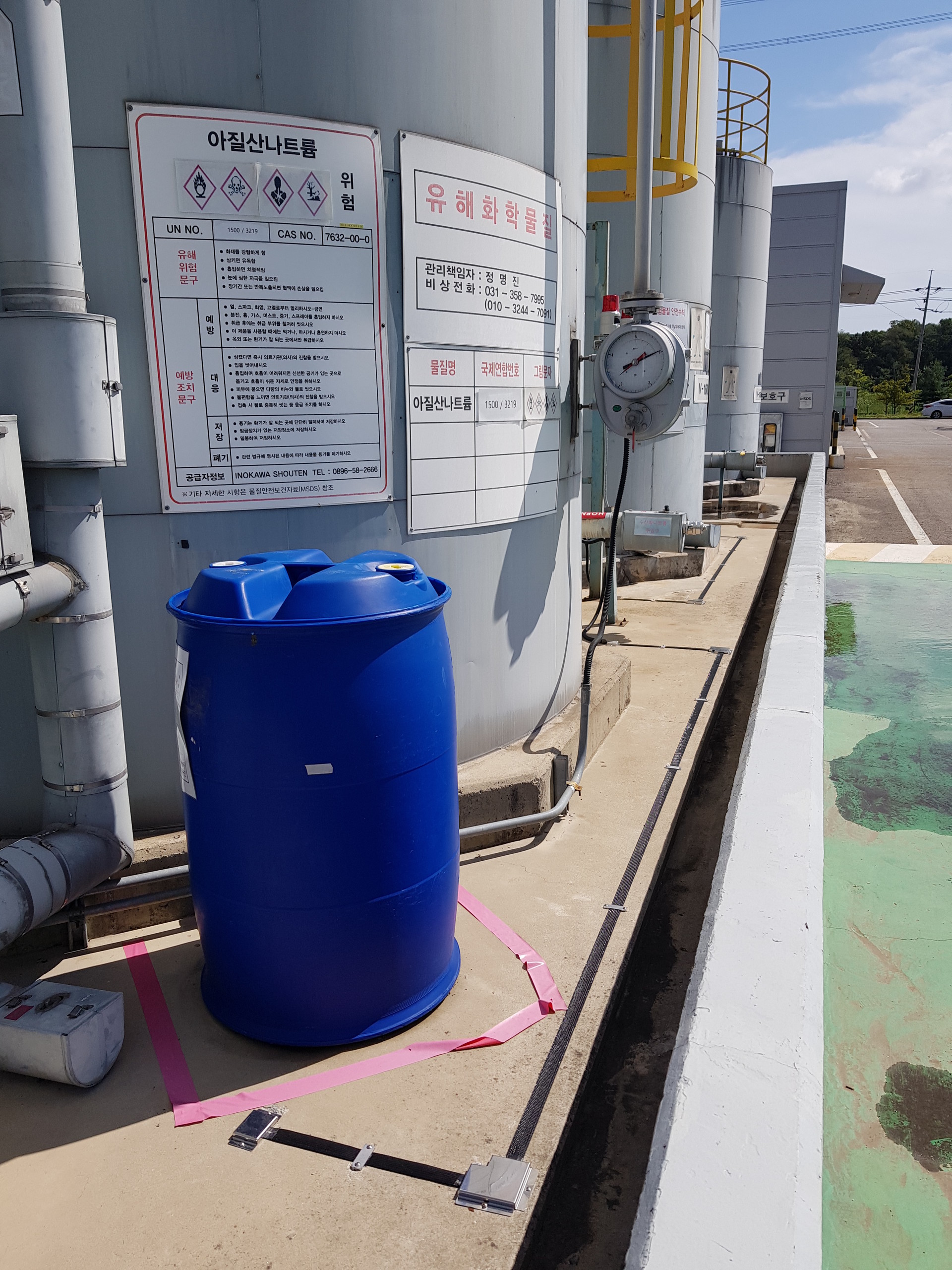
Tanks and chemical storage
Follow the likely spill path around tanks and containment edges.
 Request Quote
Need to detect leaks?
Detect water, chemical or oil leaks early with compatible sensors and alarms.
A small leak can remain unnoticed beneath equipment or a raised floor. Start by mapping where the liquid could collect, what it could affect and who needs the alarm.
Compatible sensing sections connect to a selected controller. The controller provides the specified local alarm and, where supported and scoped, signals to the BMS or PLC. Zone labels should match the site drawing and response instructions.
Quoted as a package after scope review. Hardware, engineering, site work and any recurring charges are stated separately in the proposal. Final quantities, exclusions and deliverables are confirmed in the quotation.
Agree the acceptance criteria before work starts. A trial establishes the limits of the tested application.
Attach along the surface where a leak is likely to travel.
The start connector links the film to its alarm controller.
Alert the team at the site.
Optional relay or RS485 / Modbus integration, depending on the controller.
Place sensing where a leak will collect or travel.
Follow the likely spill path around tanks and containment edges.
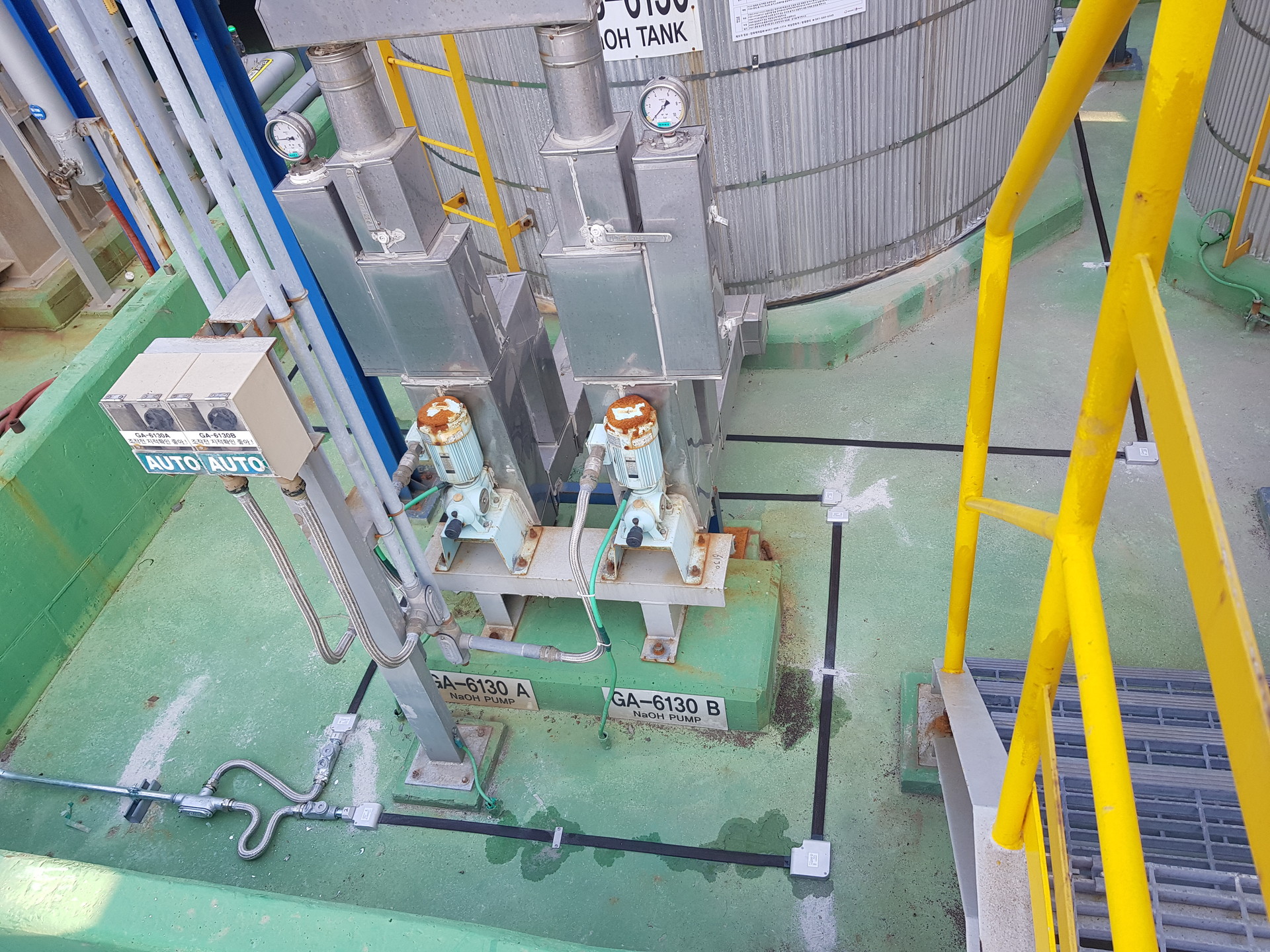
Cover the floor below pumps, valves and joints where liquid collects.
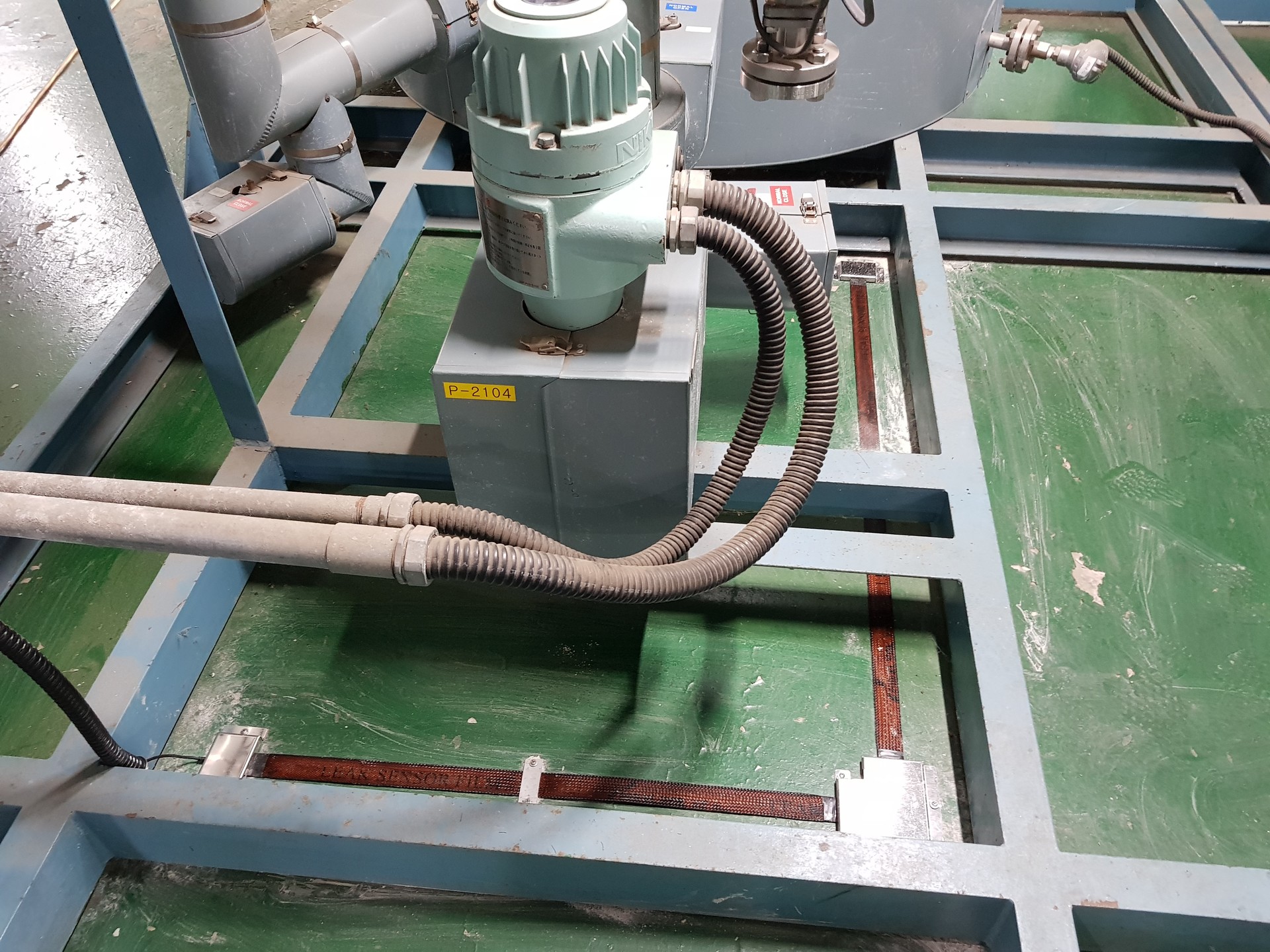
Route sensing beneath pipe runs along the collection path.
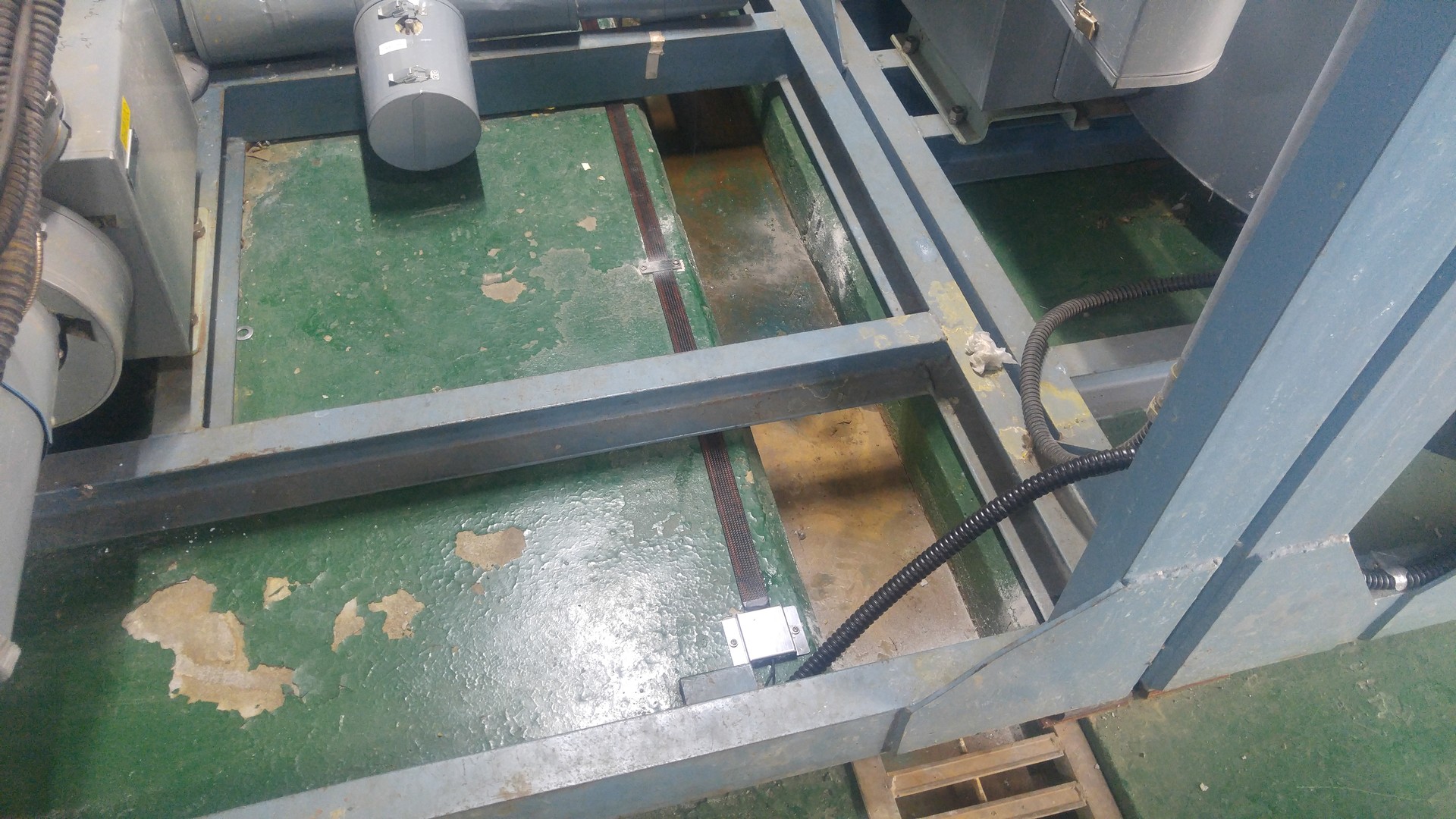
Place sensing at a tray’s low point or around the equipment base.
| What you need to detect | Sensing approach |
|---|---|
| Leak alarm for a conductive liquid | Conductivity-based film sensor |
| Leak alarm and location along a route | Distance-sensing film and compatible controller |
| Acid or alkali solution | Film sensor selected for the specific chemical |
| Oil or organic solvent | Dedicated sensor selected for the specific liquid |
Share the liquid, concentration and temperature, sensing length, and whether you need a local alarm or central monitoring.
A few details help us recommend a starting configuration. This is a scope recommendation; engineering and pricing follow a review.
Not sure about the requirements? Ask our engineer ↗
No. Water, acids, alkalis and oils require compatibility review. Share the liquid name, concentration and temperature before selecting a sensor.
The proposed package covers a compatible sensor, connectors, controller and alarm. Share site exposure and cleaning conditions so we can confirm installation and sensor reset or replacement needs. Site work, integration and support are scoped separately in your quotation.
Dry contacts or RS485 may be appropriate, depending on the selected controller and BMS protocol. Confirm the interface during configuration.